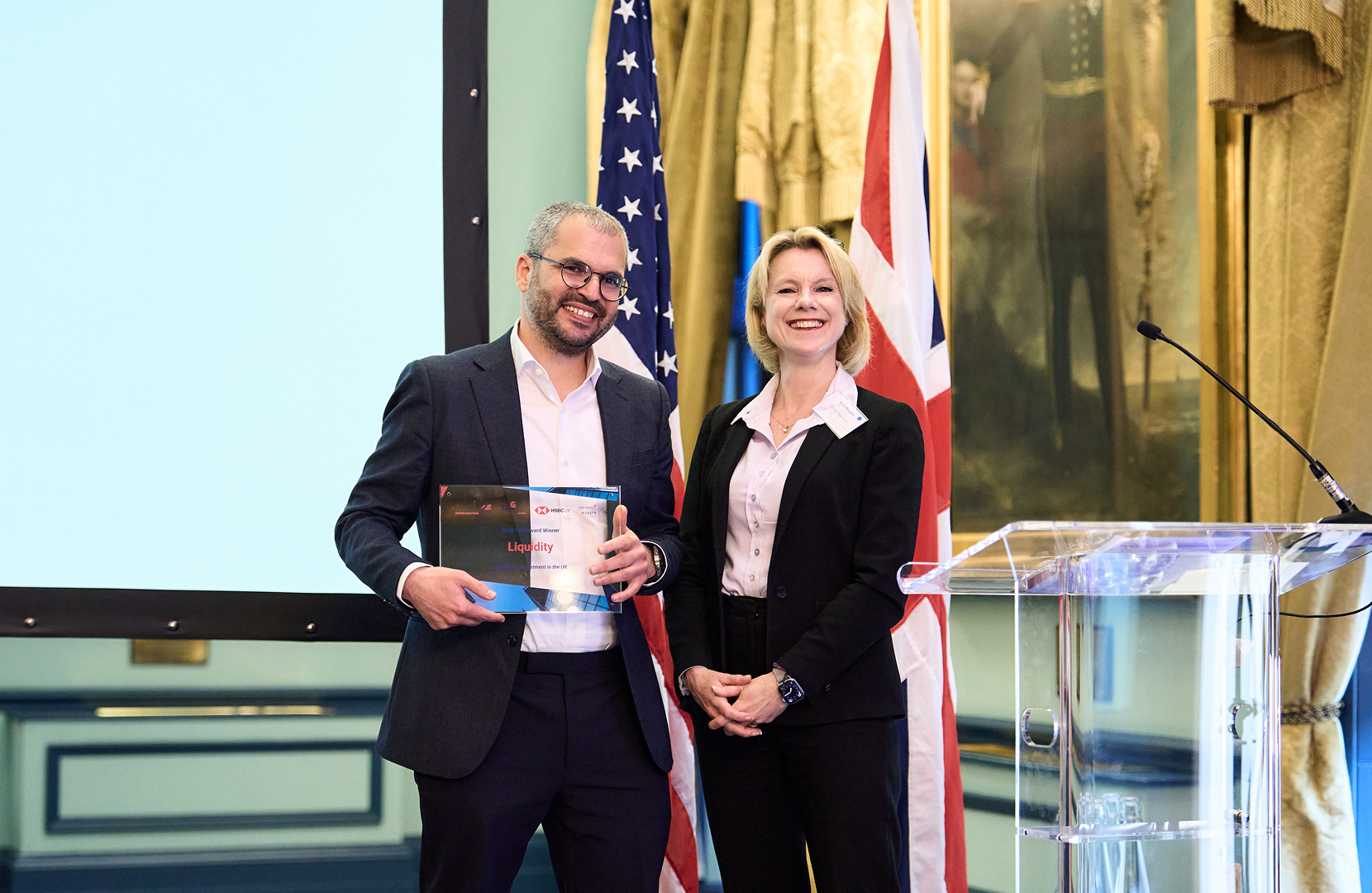
The Role of AI in Deep Tech Due Diligence: Insights from Danor Aharon, VP Data Science at Liquidity Group
As artificial intelligence (AI) continues to reshape industries, its influence is expanding into the deep tech landscape, particularly in the critical area of due diligence.
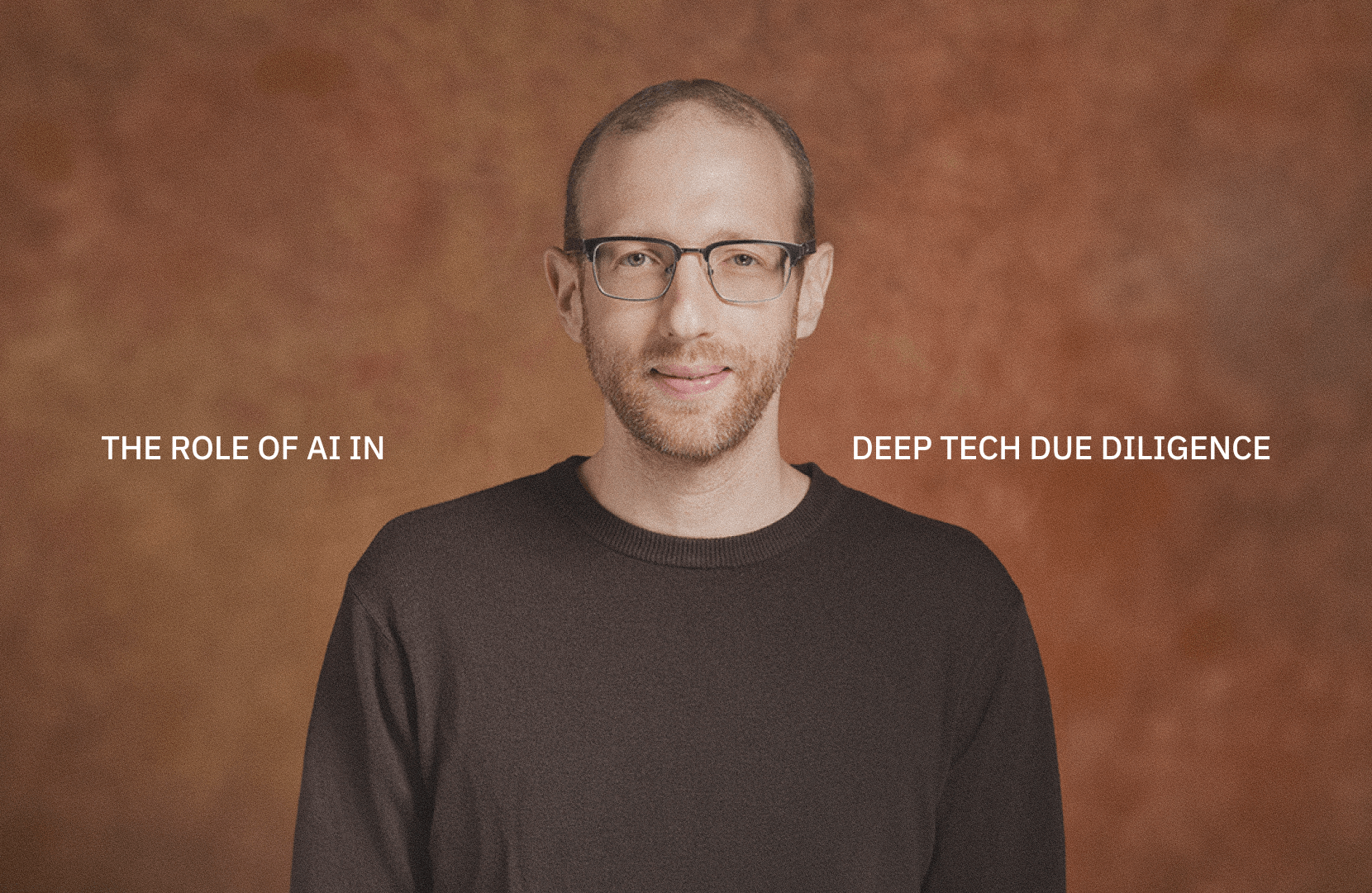
Danor Aharon, VP Data Science at Liquidity Group and a seasoned expert with over 15 years of experience in research and algorithm development across academia and industry, has seen firsthand how AI and machine learning are transforming how companies assess the technical potential and risks of emerging technologies. With a Ph.D. in theoretical physics from the Technion and experience working in both ad-tech and fintech, Danor brings a unique perspective on the integration of AI in deep tech due diligence. Danor’s transition from theoretical astrophysics to data science was driven by his desire to apply problem-solving skills to real-world challenges.
“During my Ph.D., I worked on advanced mathematical models and algorithms that closely resemble those used in fintech, particularly in areas like quantitative analysis, forecasting, and risk modeling,”
- Danor Aharon, VP Data Science at Liquidity.
This realization made his move into tech natural, leading him to roles in machine learning and predictive analytics.
AI’s value in deep tech due diligence lies in its ability to process vast amounts of data. “AI and machine learning significantly enhance the evaluation of both technical potential and risks,” - he explains.
By analyzing data from research papers, patents, and market trends, AI can identify patterns and innovation trajectories that would be hard for humans to detect. This allows for a more comprehensive understanding of a company’s technological capabilities. AI also improves risk assessment by simulating potential technical challenges and market scenarios. It provides deeper insights into scalability, technical feasibility, and potential pitfalls,” Danor notes.
This systematic, data-driven approach is crucial in deep tech due diligence, where technical risks are often difficult to quantify. However, AI integration comes with challenges. One key issue is data limitations, especially in emerging fields like generative AI, where large datasets may not exist.
To mitigate this, I use alternative data sources such as research papers and patents, along with classical machine learning models to extract insights from smaller datasets. This flexibility helps navigate uncertainty around newer technologies.” - he explains.
When evaluating AI-driven deep tech innovations, Danor stresses the importance of balancing technical feasibility with commercial viability.
“On the technical side, I assess the robustness of AI algorithms and scalability. On the commercial side, I evaluate market demand, the problem the AI solution is addressing, and its potential for integration into existing systems, Understanding the go-to-market strategy is essential for successful commercialization.”
- Danor Aharon, VP Data Science at Liquidity.
To ensure a balanced view, Danor combines technical analysis with a thorough market evaluation.
“By combining AI-driven insights with business-oriented assessments, we can ensure that both technical innovation and commercial factors are given equal weight in the decision-making process,” he says.
Danor’s experience highlights the transformative potential of AI in deep tech due diligence. As AI continues to evolve, its role in evaluating emerging technologies will only grow more critical, providing businesses with the tools to make smarter, data-driven investment decisions.
Liquidity is the world’s leading pioneer of bespoke technology for private credit, powered by advanced infrastructure with AI at its core. It defines a new standard in capital allocation through a nexus of the sharpest minds in private credit and technology.
Proven at scale in Liquidity’s own multi-billion-dollar private credit business, this technology deploys capital faster than any firm in capital markets history—with unmatched speed, precision, and adaptability across North America, Europe, APAC and MENA.
Liquidity develops bespoke technology infrastructure for banks and asset managers, embedding intelligent decision science across the full credit lifecycle from origination to compliance, while serving visionary growth-stage and mid-market companies in 45+ sectors through its own structures and funds.
Built on trust and backed by leading institutions including MUFG Bank Ltd., Spark Capital, KeyBank, Cross River Bank, Meitav Dash, IDB Bank, and others. Visit liquidity.com.